
 By
By 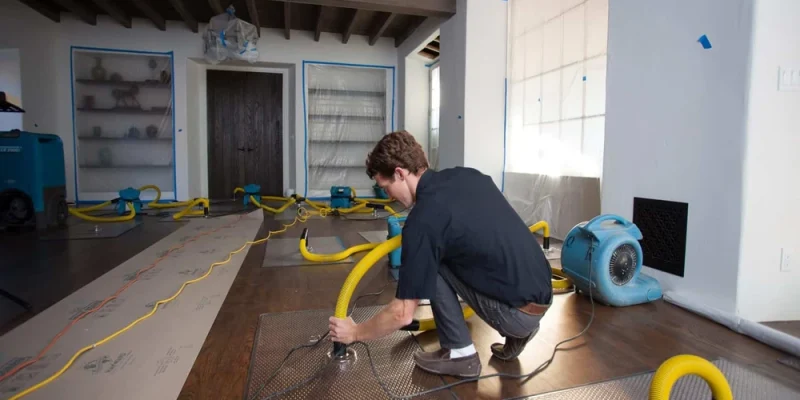
Key Takeaways
- Recognizing early signs of water damage, such as discoloration, peeling paint, warped materials, and musty odors, can help Jackson homeowners prevent costly repairs.
- Hidden moisture around windows, doors, attics, crawl spaces, and plumbing fixtures should be addressed quickly to prevent mold growth and structural damage.
- Professional water damage restoration typically involves assessing the damage, stopping the water source, extracting standing water, drying affected areas, and completing necessary repairs.
- Specialized equipment, including water extraction units, air movers, dehumidifiers, moisture meters, and thermal imaging cameras, helps ensure affected areas are thoroughly dried.
- Preventative measures such as maintaining gutters, sealing windows, installing sump pumps, and inspecting plumbing can significantly reduce future water damage risks.
- Seasonal home maintenance is especially important for identifying roof, drainage, plumbing, and foundation issues before they develop into major problems.
- When choosing a restoration company, homeowners should prioritize emergency availability, experience, certifications, transparent pricing, insurance coverage, and a strong local reputation.
Identify the Signs of Water Damage as Early as Possible
Common Warning Signs Jackson Homeowners Should Never Ignore
Water damage can develop gradually or occur suddenly, but early detection is one of the best ways to limit its impact. Homeowners in Jackson should regularly inspect their properties for visible and hidden signs of moisture problems.
Brown or yellow stains on walls and ceilings often indicate a leak behind the surface or from an upper level of the home. Peeling paint, bubbling wallpaper, warped wood, and cracked flooring can also point to excess moisture. In some cases, homeowners may notice a persistent musty odor before seeing any visible damage.
Other warning signs include:
- Damp or discolored walls and ceilings.
- Warped or swollen wood.
- Peeling paint or wallpaper.
- Soft, cracked, or buckling flooring.
- Musty or moldy odors.
- Unexplained puddles near appliances or plumbing fixtures.
- Unusually high water bills.
Regular visual inspections are particularly important in basements, bathrooms, kitchens, attics, and areas near water-using appliances. Detecting a problem early can prevent a small leak from becoming extensive structural damage.
How to Find Hidden Water Damage Before It Gets Worse
Not all water damage is immediately visible. Moisture can accumulate behind walls, beneath flooring, and inside crawl spaces, creating conditions that encourage mold growth and material deterioration.
Homeowners should inspect areas around windows and doors for swelling or warping. Attics and crawl spaces should also be checked for evidence of roof leaks or poor ventilation. A moisture meter can help identify elevated moisture levels in materials that appear dry on the surface.
Plumbing fixtures and appliances should also be monitored closely. Puddles around washing machines, dishwashers, water heaters, and refrigerators may indicate leaks that require immediate attention.
If hidden moisture is suspected, contacting a professional specializing in water damage restoration jackson services can help identify the source and determine the appropriate restoration approach.
Act Quickly and Follow the Proper Restoration Process
What to Do When Water Damage Occurs
When water damage is discovered, taking immediate action can help reduce the extent of the problem. The first priority is to identify and stop the source of the water whenever it is safe to do so.
For example, homeowners may need to shut off the main water supply if a pipe has burst or turn off an appliance that is leaking. If electrical hazards are present, occupants should avoid affected areas and contact qualified professionals.
Once the source has been controlled, the restoration process generally includes:
- Damage assessment: Professionals inspect the property to determine the extent of visible and hidden moisture.
- Water extraction: Pumps and specialized vacuums remove standing water as quickly as possible.
- Drying: Air movers and dehumidifiers help remove moisture from surfaces and the surrounding air.
- Cleaning and sanitizing: Affected materials are cleaned and treated to reduce contamination and odors.
- Repairs and restoration: Damaged drywall, flooring, insulation, and other materials are repaired or replaced as necessary.
A fast response can help reduce secondary problems such as mold growth, material deterioration, and structural weakening.
Why Professional Restoration Equipment Matters
Professional water restoration involves more than simply removing visible water. Specialized equipment is used to locate moisture and verify that affected areas have been properly dried.
Common equipment includes:
- Commercial water extraction units for removing standing water.
- Air movers for increasing airflow and accelerating evaporation.
- Dehumidifiers for controlling moisture levels in the air.
- Moisture meters for measuring moisture inside building materials.
- Thermal imaging cameras for identifying hidden moisture.
- Antimicrobial treatments for helping manage microbial growth when appropriate.
Using the right equipment and following proper drying procedures can help prevent moisture from remaining behind walls, under floors, or in other difficult-to-reach areas.
Protect Your Home With Preventative Water Damage Measures
Proven Ways to Reduce Water Damage Risks
Preventing water damage is often easier and less expensive than restoring a severely affected property. Jackson homeowners can take several practical steps to protect their homes.
Start by inspecting windows and doors for gaps that could allow rainwater to enter. Weatherstripping and appropriate caulking can help improve water resistance around vulnerable areas.
Homeowners should also ensure that water drains away from the foundation. Gutters and downspouts should be kept clear of leaves and debris, while downspouts should direct water away from the home’s foundation.
Additional preventative strategies include:
- Installing a sump pump in flood-prone basements.
- Inspecting the roof for damaged or missing shingles.
- Sealing cracks around windows and doors.
- Maintaining gutters and downspouts.
- Checking plumbing connections for leaks.
- Using waterproof materials in high-moisture areas.
- Ensuring proper grading around the home’s foundation.
- Monitoring water heaters and major appliances for signs of leakage.
These simple measures can significantly reduce the risk of water intrusion and help homeowners avoid major restoration expenses.
Seasonal Maintenance Can Prevent Serious Problems
Seasonal inspections are another effective way to protect a home from water damage. Before periods of severe weather, homeowners should inspect roofs, gutters, drainage systems, and exterior walls.
Plumbing systems should also be checked regularly. Older pipes may be more vulnerable to leaks, while poorly maintained fixtures can gradually release water into surrounding materials.
Homeowners should consider:
- Inspecting roofs before storm seasons.
- Cleaning gutters regularly.
- Checking pipes and plumbing connections.
- Looking for signs of foundation erosion.
- Monitoring indoor humidity levels.
- Inspecting water heaters for corrosion or leaks.
- Checking attic spaces for evidence of roof leaks.
Consistent maintenance can help identify problems before they develop into emergencies.
Know When to Call a Professional Water Damage Restoration Company
Why Professional Help Is Often Necessary
Minor spills may sometimes be handled by homeowners, but significant water damage often requires professional attention. Standing water, contaminated water, extensive moisture, and damage involving walls or flooring can create risks that are difficult to manage without specialized equipment.
Professional restoration technicians can evaluate the affected property, identify hidden moisture, and develop a structured plan for drying and restoration.
Homeowners should consider professional assistance when:
- Large amounts of water are present.
- Water has entered walls or ceilings.
- The source of the water is unknown.
- Sewage or contaminated water is involved.
- Mold or persistent odors are present.
- Flooring or structural materials have been affected.
- Water damage has continued for an extended period.
Prompt professional intervention can help reduce the likelihood of long-term structural damage and costly repairs.
Questions to Ask Before Hiring a Restoration Company
Choosing the right restoration provider is an important decision. Homeowners should look for companies with experience handling residential water damage and a reputation for reliable service.
- Are your technicians properly trained and certified?
- Do you provide 24/7 emergency services?
- Are you licensed and insured?
- How do you identify hidden moisture?
- What equipment do you use for water extraction and drying?
- Can you provide a detailed estimate?
- How will you communicate updates throughout the restoration process?
Transparent pricing, clear communication, and proper credentials can help homeowners feel more confident during an already stressful situation.
Understand How to Prevent Long-Term Water Damage
Why Complete Drying Is Essential
One of the most important parts of water damage restoration is ensuring that affected areas are completely dry. Simply removing visible water does not guarantee that moisture has been eliminated.
Water can remain trapped inside drywall, insulation, subfloors, and other porous materials. If these areas are not properly dried, they may develop mold or experience progressive deterioration.
Professionals use moisture meters and other diagnostic tools to verify drying progress. Dehumidifiers and air movers may continue operating until moisture levels return to acceptable conditions.
Complete drying helps protect the property from:
- Mold growth.
- Musty odors.
- Warped flooring.
- Deteriorated drywall.
- Damaged insulation.
- Structural weakening.
Keep Records and Review Your Insurance Coverage
Homeowners should also understand how their insurance policy addresses different types of water damage. Coverage can vary depending on the cause of the damage and the terms of the individual policy.
- Photograph affected areas before cleanup when it is safe.
- Document damaged belongings.
- Keep receipts for emergency repairs and related expenses.
- Notify the insurance company promptly.
- Maintain records of restoration work.
- Ask the restoration company about documentation needed for an insurance claim.
Having organized records can make the claims process easier and provide a clear account of the damage and restoration work performed.
FAQ
How often should Jackson homeowners inspect their homes for water damage?
Homeowners should conduct visual inspections at least twice a year and after major storms or severe weather. High-risk areas such as basements, attics, crawl spaces, bathrooms, and kitchens may require more frequent checks.
What should homeowners do immediately after discovering water damage?
First, identify and stop the water source if it is safe to do so. Avoid areas with potential electrical hazards, remove valuables from affected spaces when possible, and contact a qualified restoration professional if the damage is extensive.
Can homeowners handle minor water damage themselves?
Small spills may be manageable with prompt cleanup and drying. However, significant water intrusion, contaminated water, hidden moisture, or damage affecting walls and flooring should be evaluated by professionals.
How does humidity affect the restoration process?
High humidity can slow evaporation and extend drying times. Professional dehumidifiers help control moisture in the air, allowing affected materials to dry more effectively and reducing the risk of secondary damage.
What equipment do water damage restoration professionals use?
Professionals commonly use water extraction equipment, air movers, dehumidifiers, moisture meters, and thermal imaging cameras. These tools help remove water, accelerate drying, and locate moisture that may not be visible.
Does homeowners insurance cover water damage?
Coverage depends on the cause of the damage and the specific insurance policy. Sudden plumbing failures may be covered under some policies, while flooding from external sources may require separate flood insurance. Homeowners should review their policies and contact their insurance providers for clarification.
How can landscaping help prevent water damage?
Proper grading and drainage can help direct rainwater away from the home’s foundation. Maintaining gutters and downspouts and addressing areas where water tends to pool can also reduce the risk of water intrusion.
What are the long-term consequences of ignoring water damage?
Untreated water damage can lead to mold growth, structural deterioration, damaged flooring and drywall, persistent odors, and costly repairs. Addressing problems quickly can help protect the home’s safety and value.
Comments