
 By
By 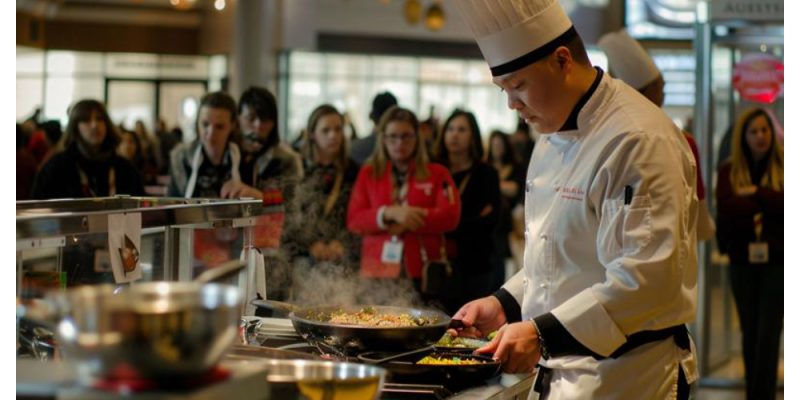
In the world of corporate events, food sets the tone, creates conversation, and reflects brand identity. As companies in Singapore increasingly seek meaningful ways to engage employees, partners, and clients, corporate catering in Singapore is shifting away from the predictable buffet line. The era of live station food is a dining experience inspired by the theatre of restaurant kitchens, the efficiency of modern event planning, and the personalisation of luxury dining. Interestingly, it’s not just the hospitality sector that can draw lessons from this concept.
The Corporate Catering Landscape Is Evolving
Corporate events have long been known for their formal structure and, at times, uninspired menus. Sandwich platters and reheated trays once dominated the scene. But as workplace cultures evolve to prioritise connection and creativity, food service expectations have followed suit. Modern corporate catering in Singapore designs experiences that reflect company values and event goals.
Sustainability, inclusivity, and engagement are integral. A financial firm may request nutritious, energy-boosting lunches to keep minds sharp during seminars, while a tech startup may prefer vibrant, interactive setups that reflect innovation. It’s here that live station food bridges the gap. Combining performance, freshness, and flexibility, it redefines what business dining can look like.
What the Tech Industry Teaches About Customisation
Across industries, personalisation drives engagement. Tech companies personalise experiences through data, serving the right content to the right user at the right time. The catering world mirrors this principle through live station food. Each guest effectively “curates” their own meal, choosing toppings, spice levels, and ingredients. Like user-driven tech, live stations empower individuals while maintaining structured efficiency. This personalisation creates a stronger emotional connection.
For corporate catering in Singapore, the takeaway is clear: flexibility and choice improve satisfaction. Just as software developers iterate to enhance UX, caterers can refine their service design to make each dining experience intuitive and inclusive.
Experience Over Transaction
The retail world has moved from selling products to curating experiences. Think of how flagship stores integrate coffee bars, workshops, or sensory elements to create emotional engagement. The same applies to corporate catering in Singapore when enhanced with live stations.
Instead of simply “feeding guests,” live stations stage an experience that stimulates the senses. This approach mirrors retail’s experiential marketing: guests don’t just consume; they participate. This shift from transaction to transformation is what keeps modern businesses relevant. The corporate catering scene that embraces such experiential principles will outlast those focused solely on logistics.
Hospitality’s Secret to Longevity
Hotels and restaurants have long understood the value of storytelling. Every dish, from concept to plating, communicates something: heritage, creativity, sustainability. In the context of live station food, this principle adds emotional depth to corporate events.
By applying the hospitality sector’s narrative-driven approach, corporate catering in Singapore becomes storytelling through flavour. This kind of cultural and emotional alignment builds lasting impressions, much like a strong brand identity does in hospitality.
Efficiency Without Compromise
Manufacturing industries are built on streamlined processes and scalability that translate surprisingly well to catering. The success of live station food lies in balancing speed, precision, and quality, much like an assembly line producing handcrafted goods.
Caterers who draw from manufacturing principles can design efficient workflows: pre-preparation zones, ingredient rotation systems, and time-coordinated serving. Every guest receives a fresh meal without crowding or delay. This operational model mirrors lean production, maximising value while reducing waste. In a city like Singapore, applying manufacturing discipline ensures that corporate catering in Singapore remains both creative and reliable.
Engagement and Retention
In marketing, visuals and experiences are key drivers of retention. Social media thrives on shareable moments. The same principles apply to live station food. Visually engaging dining encourages organic marketing.
Attendees take photos, post stories, and tag event organisers, extending the event’s visibility. It’s word-of-mouth amplified through digital networks. For corporate events, this has tangible value. It humanises the brand and reinforces its culture. When employees or clients associate your event with memorable dining, it nurtures long-term goodwill.
Conclusion
Corporate events are changing, and so is the way we feed the people who make them happen. From the tech sector’s focus on personalisation to retail’s emphasis on engagement, the evolution of corporate catering in Singapore mirrors the innovation seen across industries. Live station food represents the perfect blend of art and efficiency. It is a symbol of how interactivity, storytelling, and sustainability can transform even the simplest meal into a meaningful experience.
Ready to elevate your next corporate event? Contact Elsie’s Kitchen and bring the energy of live stations and cross-industry creativity into your catering plan today.



Comments